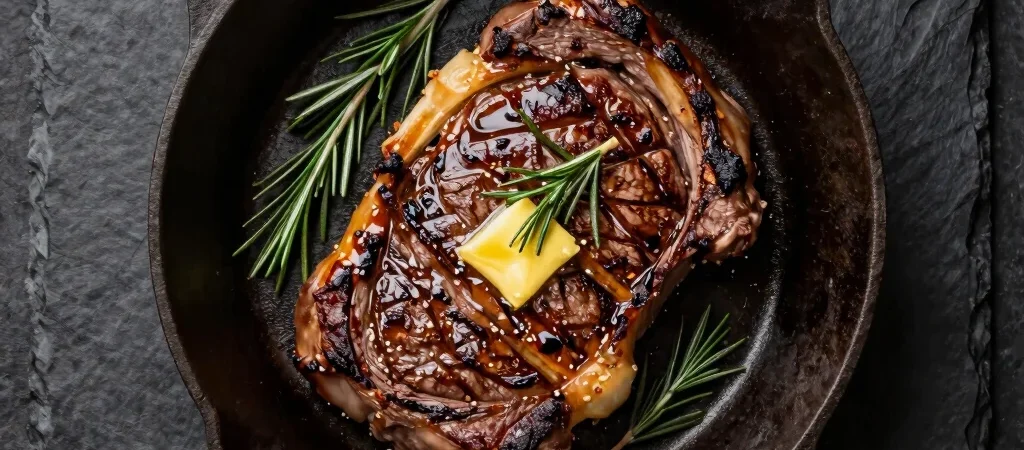
Achieving a dark, crisp crust on a thick ribeye or strip steak requires high heat retention that standard nonstick cookware simply cannot offer. When cold meat touches thin aluminum, the surface temperature drops instantly, boiling the exterior instead of searing it. A heavy cast iron skillet acts as a thermal battery, keeping the heat steady so you get maximum caramelized browning in under four minutes.
Thermal Mass and Wall Thickness Matter
The secret to cast iron performance comes down to sheer weight and material density. Because the metal holds onto thermal energy, it transfers intense heat into the meat continuous across the entire cooking process. When evaluating budget options versus heirloom brands, pay attention to wall thickness and handle length rather than fancy pre-seasoning claims. Note that some gear links on our site are affiliate links, which means we may earn a small commission if you purchase through them at no extra cost to you.
Care Maintenance Without the Myth
Maintaining iron cookware does not require complicated rituals or secret oils. Wash the pan with warm water and mild dish soap, dry it thoroughly on low stove heat, and wipe down the interior with a single drop of high-smoke-point oil. Keeping the metal dry and oiled prevents rust while gradually building a natural nonstick layer over months of regular use.
What to Look for Before Buying
Look for a skillet with a smooth interior surface finish and a comfortable helper handle opposite the main grip. A ten to twelve inch pan fits two steaks easily without overcrowding, giving you enough surface area to baste with butter and garlic during the final minute of cooking.