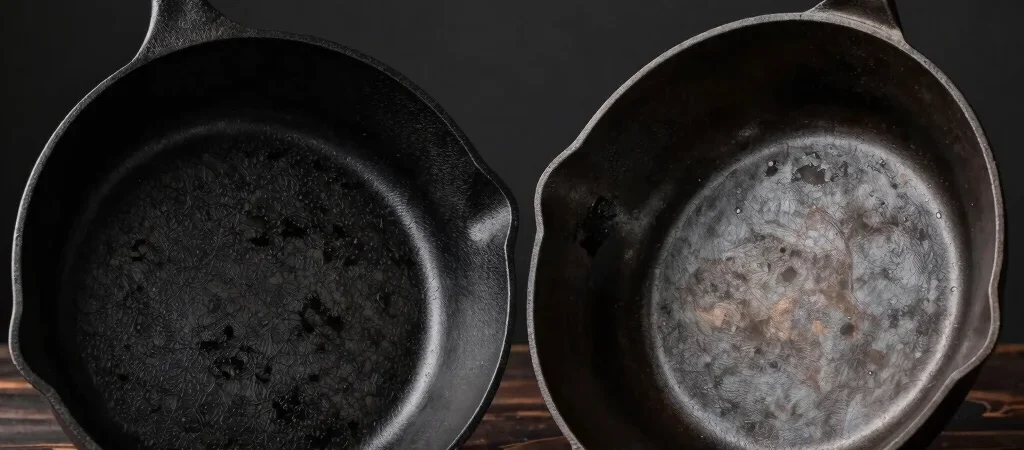
Skillet enthusiasts often debate whether carbon steel or traditional cast iron deserves prime real estate on the stove. While both materials hold up to high temperatures and develop natural nonstick properties through seasoning, they handle heat movement in distinct ways. Understanding these physical trade-offs helps you choose the right pan for your daily meal prep.
Weight and Maneuverability in Hand
Carbon steel skillets feature sloped sidewalls and weigh significantly less than heavy cast iron pans of equivalent diameter. This lighter build makes carbon steel ideal for quick stove tosses, quick sautéing, and delicate egg dishes where agile wrist control matters. Cast iron excels when sitting stationary on a burner while maintaining constant heat during heavy searing.
Heat Response and Recovery Rates
Because carbon steel is thinner, it responds quickly when you adjust burner knobs, cooling down or heating up within seconds. Cast iron holds heat much longer, making it forgiving on inconsistent burners but slow to adjust if your pan gets too hot. Honest gear reviews always emphasize matching pan materials to your specific stove type and cooking habits.
Building the Ultimate Essential Kit
Most home kitchens benefit from owning one twelve-inch cast iron skillet for deep searing and baking, alongside a ten-inch carbon steel pan for fast weeknight meals. As an editorial note, some equipment links on this site may generate affiliate commissions that support our recipe testing, though we only feature battle-tested pieces we use daily.